In today’s digital age, uninterrupted power is crucial for businesses, healthcare facilities, data centers, and even homes. Power outages, voltage fluctuations, and surges can lead to data loss, operational downtime, and costly equipment damage. This is where uninterruptible power supplies (UPS) come into play, providing a reliable backup solution to ensure systems remain operational when the main power source fails.
What Are Uninterruptible Power Supplies?
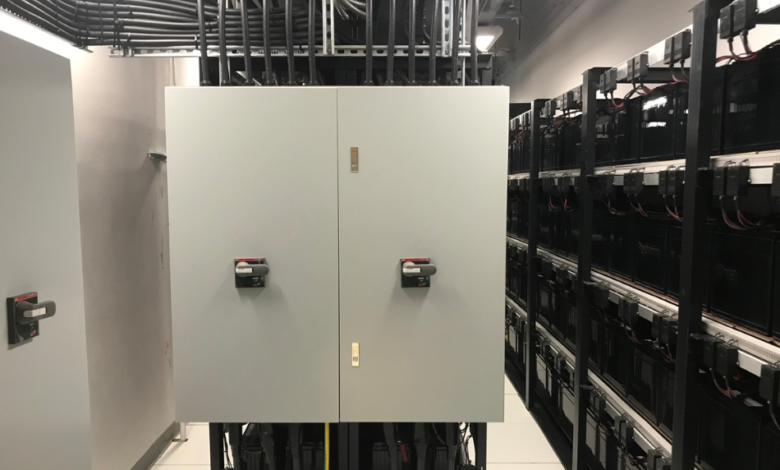
An uninterruptible power supplies is an electrical device that provides emergency power to a load when the input power source fails. It differs from a conventional backup generator because it delivers instantaneous power without any interruption. UPS systems typically consist of batteries, an inverter, and a controller, all designed to maintain power stability.
The primary function of a UPS is to prevent downtime and protect sensitive equipment from sudden power loss. They are widely used in environments where continuous power is essential, such as data centers, hospitals, telecommunications, and industrial facilities.
Types of Uninterruptible Power Supplies
Understanding the different types of UPS systems helps in selecting the right solution based on power requirements and criticality.
- Standby UPS (Offline UPS)
- Provides basic protection against power outages and minor voltage fluctuations.
- Switches to battery power when it detects a power failure.
- Ideal for home offices or small businesses with minimal power needs.
- Provides basic protection against power outages and minor voltage fluctuations.
- Line-Interactive UPS
- Offers automatic voltage regulation (AVR) along with battery backup.
- Compensates for minor power fluctuations without switching to battery mode.
- Suitable for small to medium-sized enterprises and network equipment.
- Offers automatic voltage regulation (AVR) along with battery backup.
- Online UPS (Double Conversion UPS)
- Provides continuous, clean, and regulated power by converting incoming AC to DC and back to AC.
- Completely isolates connected devices from power irregularities.
- Preferred for mission-critical applications like data centers and hospitals.
- Provides continuous, clean, and regulated power by converting incoming AC to DC and back to AC.
See also: How Home Health Care Can Improve Comfort and Care at Home
Key Features of Uninterruptible Power Supplies
A reliable UPS system comes with several features that enhance performance and reliability:
- Battery Backup: Maintains power during outages.
- Surge Protection: Shields equipment from voltage spikes.
- Automatic Voltage Regulation: Stabilizes fluctuating voltage to prevent equipment damage.
- Monitoring and Management: Many UPS systems offer software for monitoring battery health, load capacity, and runtime.
- Scalability: High-capacity UPS models can be expanded to accommodate growing power needs.
Benefits of Using Uninterruptible Power Supplies
Implementing a UPS system offers multiple advantages:
- Prevent Data Loss: Sudden power interruptions can corrupt files and databases. UPS systems allow users to save work and safely shut down devices.
- Protect Equipment: Sensitive electronics like servers, computers, and medical devices are protected from voltage spikes and surges.
- Ensure Operational Continuity: Businesses can continue functioning during short power outages, reducing downtime and financial losses.
- Enhance Power Quality: Advanced UPS systems filter out noise and stabilize voltage, improving overall power quality.
Choosing the Right Uninterruptible Power Supply
Selecting a UPS depends on several factors:
- Power Requirements: Determine the total wattage of the devices to be supported.
- Runtime Needed: Identify how long the UPS should provide power during an outage.
- Type of Equipment: Critical systems require online UPS for continuous protection, while less critical devices may use standby or line-interactive UPS.
- Budget Considerations: High-capacity and online UPS systems are more expensive but offer superior protection.
FAQs About Uninterruptible Power Supplies
Q1: How long can a UPS supply power during an outage?
A UPS can provide power from a few minutes to several hours depending on its battery capacity and load. Most systems are designed to allow safe shutdown rather than long-term operation.
Q2: Can a UPS replace a generator?
No, a UPS is meant for short-term power interruptions, whereas a generator provides long-term power during extended outages.
Q3: How often should UPS batteries be replaced?
Battery life varies, typically lasting 3 to 5 years. Regular maintenance and monitoring ensure optimal performance.
Q4: Are UPS systems noisy?
Most UPS systems are relatively quiet. Online UPS units with larger capacity may generate some noise due to internal cooling fans.
Q5: Can a UPS protect against lightning strikes?
While UPS systems offer surge protection, additional surge protectors or lightning protection devices are recommended for extreme cases.
Conclusion
Uninterruptible power supplies are vital tools for ensuring continuity, protecting sensitive equipment, and maintaining operational stability in environments prone to power interruptions. Choosing the right UPS system depends on power requirements, runtime, equipment criticality, and budget. Whether for a home office, business, or industrial setting, investing in a UPS safeguards against unexpected power disruptions and enhances overall reliability.